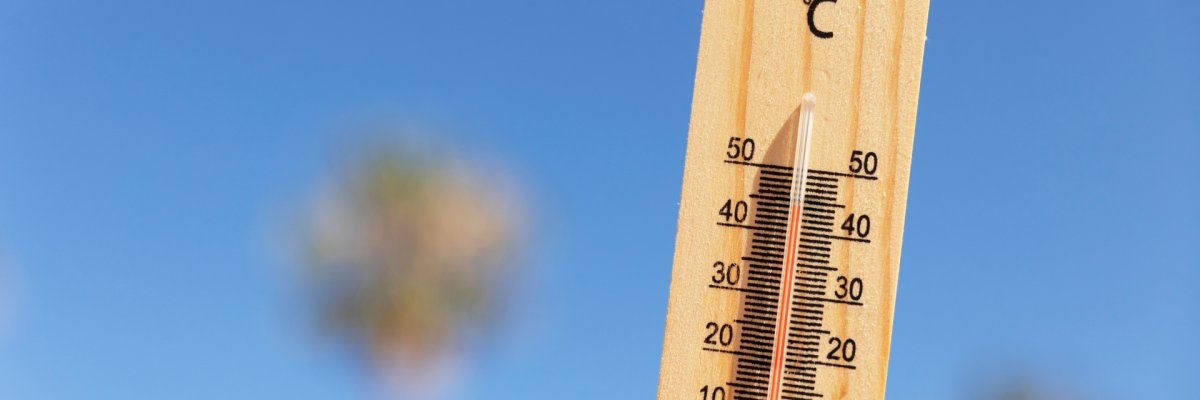
Many people look forward to summer. However, when it’s very hot for an extended period, it can quickly become stressful and lead to health problems. Due to climate change, the Fulda district can also expect more frequent and more intense heat waves in the future. These have a particular impact on our health and well-being when they last for several days and temperatures do not drop below 20°C even at night.
The Fulda District Health Department is therefore providing you with information on heat and health.
The Effects of Heat on Our Bodies
Our bodies are normally well-equipped to adapt to high temperatures: our blood vessels dilate and we begin to sweat. Over time, however, this puts a strain on the body and can have health consequences. Symptoms may include skin rashes, calf cramps, or swelling in the legs. Existing cardiovascular conditions may worsen or develop for the first time. Typical signs of strain on the cardiovascular system include dizziness, headaches, exhaustion, and lightheadedness.
In certain groups of people, the body’s natural adaptive processes are slowed or impaired. They are therefore particularly vulnerable to heat. These include, for example, infants and toddlers, people with acute illnesses or pre-existing conditions, people aged 65 and older, older adults living alone with limited mobility, and people in need of care. Also at risk are people who have limited ability to protect themselves from the heat, such as those who work outdoors or the homeless.
General Tips for Dealing with Heat
There are ways to counteract the effects of heat. Here are some tips to help you prevent heat-related stress. Not every recommendation is suitable for everyone: You alone decide what’s best for you and what’s feasible for you.
Know When It's Going to Get Hot: Keep
an eye out for heat warnings in the media. The German Weather Service (DWD) offers various sources of information you can use (see related links).Drink Enough and
Eat Lightly: Make a conscious effort to drink plenty of fluids—about 2–3 liters per day. The best choices are water, unsweetened teas, or juice spritzers. If you have heart or kidney disease, talk to your doctor about adjusting your fluid intake. Eat light, fresh, and cool foods and meals. Good choices include vegetables, salads, fruit, and low-fat milk and dairy products. Avoid fatty foods and meals, as well as large amounts of meat.Keep Your Apartment and Interior Spaces Cool During periods of extreme heat,
keep windows and doors closed during the day. It’s best to ventilate only when it’s cooler outside than inside your apartment. This is usually the case at night or in the early morning hours. If possible, shade the windows with shutters, roller blinds, or awnings. Ensure there’s air circulation in the room, for example, by using fans. Another option is to use air conditioners. However, due to the increased risk of catching a cold, these should not be set too cold.
Protect your body from intense heat and direct sunlight. Adjust your daily routine: Spend as little time as possible outdoors between 11 a.m. and 5 p.m., except in places that are cooler than your home. Avoid strenuous outdoor activities during these hours. Protect yourself from UV radiation. It’s best to stay in the shade and use sunscreen with an SPF of 30 or higher. Choose long, loose-fitting, light-colored clothing. Wear a hat and sunglasses.
Cooling the Body: Water is the best way to cool down. For example, place cool, damp compresses on your arms, legs, forehead, or neck. Take foot baths or hold your forearms in or under cool water. Often, simply wetting your skin with a little water is enough to help. Alternatively, cooling lotions or sprays can also be used.
Look Out for Others: Be mindful of those around you and offer help when needed. During hot weather, be sure to stay in touch with family members, friends, or neighbors.What to Do in an Emergency
In extreme heat, you may initially experience heat exhaustion and, in the worst case, heatstroke.
- Typical symptoms of heat exhaustion include cold, clammy skin, low blood pressure with a rapid pulse, and rapid but shallow breathing. These are accompanied by loss of appetite, nausea, dizziness, and fatigue. As soon as you notice these symptoms, you should drink something cool (e.g., mineral water) and cool your body down (e.g., a lukewarm shower, arm baths). If your condition does not improve within the next hour or if your body temperature reaches 38°C (measured with a clinical thermometer), you must seek medical help (family doctor, emergency medical services) to prevent heatstroke.
- Heatstroke is a life-threatening condition! The skin is red, hot, and dry. Nausea, headaches, altered consciousness, and loss of consciousness are other possible signs of heatstroke and require immediate medical attention. Call emergency services (112) immediately if someone is suffering from heatstroke!
Specific Tips for Groups at High Risk
Senior citizens
Older adults often have limited mobility, feel less thirsty, do not always notice the negative effects of heat, and often do not feel affected by the heat at all. In hot weather, the body begins to sweat and blood pressure drops. Through sweating, the body loses fluids and minerals. The heat puts a strain on the cardiovascular system, and the body is exposed to greater stress.
It is precisely this reduced sensitivity to heat that can be dangerous for older adults. The Fulda District Health Department is therefore offering tips on how to cope with the heat.
Drink plenty of fluids. Don’t rely
on your sense of thirst; instead, make a conscious effort to drink plenty—about 2–3 liters a day! The best choices are water, unsweetened teas, or juice spritzers. If you have heart or kidney disease, talk to your doctor about adjusting your fluid intake.Adjust your behavior in hot weather. Wear
light, breathable clothing and always wear a hat when you're outside. When outdoors, stay in the shade as much as possible and protect your skin with sunscreen. Rest during the hottest part of the day and schedule activities such as walking and shopping for the early morning or late evening hours. Avoid strenuous activity. When sleeping, you may want to use only a duvet cover.Keep your body
cool—water is the best way to cool off. Take a quick lukewarm shower, pat yourself dry only as much as necessary—the rest will evaporate and provide a pleasant cooling sensation. Foot baths are also a good way to cool down. Damp cloths placed on your face, neck, or other parts of your body can also be soothing in hot weather.Keep Your Home Cool
: Use roller shades or awnings to keep your home dark during the day. Then open the windows at night to let in fresh air! If possible, spend time in the cooler parts of your home—rooms without direct sunlight (north-facing). Or head down to the basement to cool off.Talk to your family doctor. Discuss
your medication regimen with your doctor. Your family doctor can make any necessary adjustments to your medication dosage for days of extreme heat and note them in your medication schedule. A good time to have this conversation is during your regular preventive care appointment.Eat light
meals. When it's hot, stick to light meals. Eat plenty of fruits, vegetables, and light dishes. Avoid fatty foods and large amounts of meat.Ask for Help with
Daily Life If you live alone, ask friends, acquaintances, relatives, family members, or neighbors to call you regularly, check in on you, and remind you to drink. If you need help with daily activities (getting dressed, personal hygiene, etc.) and, for example, an in-home care service assists you with these tasks, additional daily visits are recommended on hot days. You can also use various services for this purpose (e.g., visiting services, shopping assistance, etc.). Ask your family doctor for advice on this.Pregnant women
Pregnancy is a unique life situation. Your body produces more heat than usual. Exhaustion, fatigue, and swollen hands and/or feet occur more frequently. These symptoms can be exacerbated by exposure to heat. In addition, pregnancy hormones make your skin more sensitive to light.
Excessive exposure to heat can increase the risk of preterm birth. For these reasons, adequate protection from heat and sunlight is particularly important.
Avoid the Heat and Sun. It’s usually hottest between
11 a.m. and 6 p.m. Plan your outdoor activities accordingly—either before or after those hours. Keep an eye out for heat warnings in the media.Avoid physically strenuous activities
. Take regular breaks and elevate your legs. This relieves pressure on your blood vessels.Drink plenty of fluids and eat a healthy diet. Drink
2–3 liters spread out over the course of the day—preferably water, unsweetened teas, or juice spritzers. Choose fresh, cool foods that include vegetables and fruit.Choose light, airy clothing
—this allows more air to reach your body. Light-colored fabrics reflect light better. Wear a hat and use sunscreen with a sufficiently high SPF.Keep your apartment and interior spaces cool. Air
out early in the morning or late in the evening, and keep roller shades, curtains, or shutters closed during the day.Stay Cool
: Every now and then, place a damp cloth on the back of your neck or on your forehead. Run your forearms under cool, running water.Sleep Cool and
Comfortably: Use a light comforter and sleepwear. For example, a hot water bottle filled with cold water is a good way to cool off.Take symptoms seriously. If you experience heat-related symptoms, contact
a doctor, family member, or neighbor.Infants and Toddlers
Infants and toddlers are not yet able to regulate their body temperature as well as adults and sweat less. Children’s skin is particularly vulnerable and should be exposed to direct sunlight as little as possible, as the risk of sunburn is high. For these reasons, it is especially important to provide your child with adequate protection from heat and sunlight.
Stay out of the heat and out of the sun. Avoid
the heat as much as possible, and do not expose your child to direct sunlight or intense midday heat, and do not leave your child alone in the car.Help Your Child Stay Cool
: Make sure your child can cool off while playing with water, in the wading pool, or under a garden shower.Avoid the
midday heat. When planning your day, keep in mind that your child should avoid strenuous active play during the hottest part of the day—roughly between 11 a.m. and 6 p.m. Pay attention to heat advisories in the media.Adjust breastfeeding, drinking, and eating habits. Make
sure your child drinks enough. For infants: Breastfeed more often than usual. Your child will then not need any additional fluids. For toddlers: Give your child light, fresh, and cool foods.Make sure to wear heat-appropriate clothing and
UV protection. Protect your child from head to toe with sun-appropriate clothing that covers as much of the body as possible. It should be breathable and loose-fitting. Also remember to provide a hat—ideally one that covers the back of the neck—and sunglasses. Do not use sunscreen during the first year of life; later on, use sunscreen specifically formulated for children.Keep your apartment and interior spaces cool. Air
out early in the morning or late in the evening, and keep roller shades, curtains, or shutters closed during the day.Sleeping Well in Hot Weather
: Put your child to sleep in the coolest room in your home. Use light bedding and sleepwear.Recognizing and Responding
to Heat-Related Illnesses: If you notice symptoms of heat stress, such as an elevated body temperature with hot, red skin that is not sweating, immediately administer first aid and contact a doctor.