Hessian Rhön Nature Park
Rhön UNESCO Biosphere Reserve and Hessian Rhön Nature Park
The Rhön, the “Land of Open Horizons,” is one of Germany’s most extraordinary low-mountain landscapes. In 1991, this cross-state region was designated a biosphere reserve by UNESCO and has since been recognized as one of the world’s most important model regions for sustainable development.
In the biosphere reserve, people and nature share equal prominence: The goal is to preserve the unique cultural landscape, continue traditional land-use practices, and at the same time implement innovative approaches to nature conservation, climate protection, and species conservation.
Location and Landscape
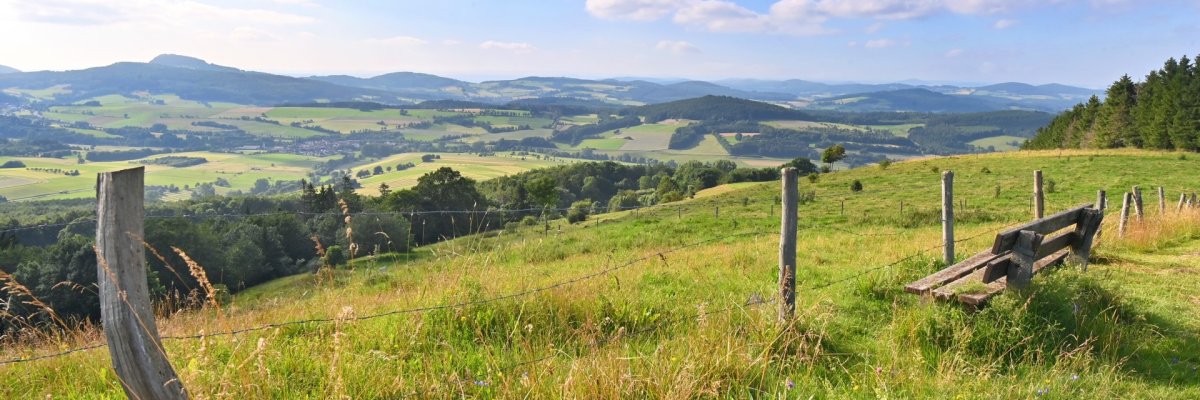
The Rhön is located in the border triangle of Hesse, Bavaria, and Thuringia. This low mountain range is characterized by vast plateaus, striking basalt peaks, and ridges with both steep and gentle valleys. The often treeless slopes are unique and offer stunning panoramic views—hence the name “Land of Open Horizons.” The landscape is characterized by species-rich alpine meadows. Other valuable habitats include bogs and spring-fed landscapes.
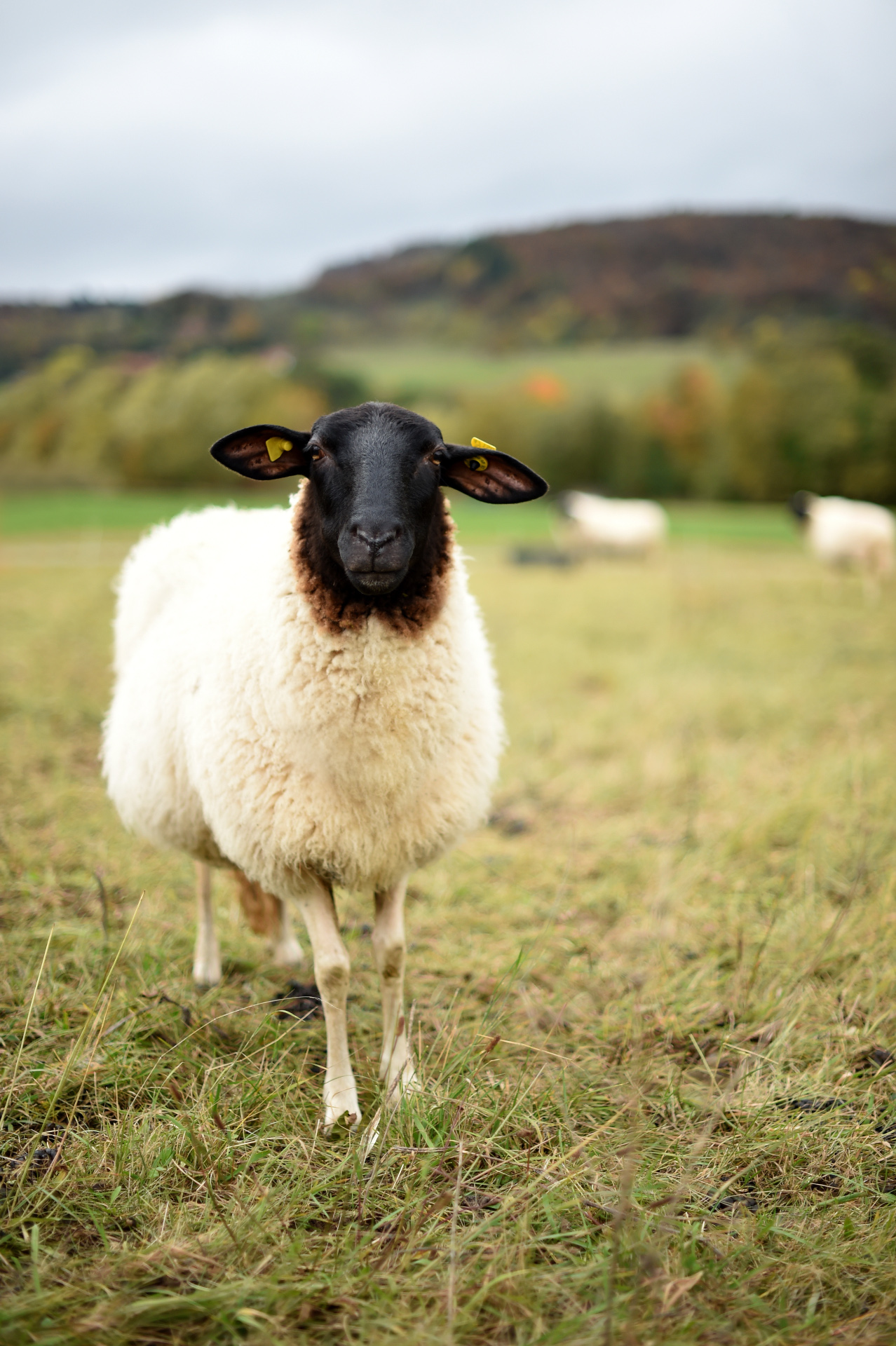
With its unique climatic conditions, the Rhön is home to important habitats. In addition to the Rhön sheep and the red kite, numerous endangered animal and plant species call this area home.
Notable landmarks in the Fulda district include the Wasserkuppe, the highest mountain in Hesse, the Milseburg, and the Rotes Moor. The Hessian Rhön stretches across the eastern part of the Fulda district over
- Dipperz
- Ebersburg
- Ehrenberg
- Gersfeld
- Hilders
- Hofbieber
- Nüsttal
- Poppenhausen
- Rasdorf and
- Tann
as well as parts of
- Eichenzell
- Eiterfeld
- Hünfeld
- Kalbach (Uttrichshausen) and
- Künzell.
Nature Park and Nature Experience
The Hessian Rhön Nature Park was designated as early as 1962. The goal was to expand the tourism infrastructure and provide a high-quality network of hiking trails. Today, it complements the work carried out in the biosphere reserve by offering a wide range of recreational activities and environmental education programs.
The goal is sustainable tourism that combines the experience of nature with a commitment to conservation and makes the region a great place to live for both locals and visitors.
The Rhön is a real highlight, especially for hiking: The Hochrhöner®, one of Germany’s best-known premium hiking trails, winds through open highlands with spectacular panoramic views. Well-maintained trails, nature-friendly infrastructure, and numerous information and activity points all contribute to a sustainable visitor experience.
Projects in the Biosphere Reserve
UNESCO biosphere reserves, such as the Rhön, are intended to serve as model regions for sustainable development. Here, new ideas are developed and numerous projects are implemented—in four areas of focus:
- Nature Conservation and Species Protection
- Research and Monitoring
- Education and Communication
- Tourism and local products.
Numerous stakeholders are working hand in hand on this—local governments, educational institutions, nature conservation organizations, the agricultural sector, the business community, the tourism industry, and, last but not least, the residents of the Rhön region.
In the Fulda district, the EU-funded LIFE project “Rhöner Bergwiesen” achieved measurable success in the conservation of threatened target species and habitats from 2016 to 2024.
In 2014, the transnational biosphere reserve was designated the Rhön Star Park. This benefits climate protection, species conservation, and tourism.
Rhön sheep and red kites, the Apple Initiative and the Rhön umbrella brand, the Hochrhöner, and special tours are further examples of distinctive trademarks and identity-building projects.
The educational landscape in the Fulda district is also enriched thanks to the work carried out in the biosphere reserve—through programs such as Junior and Senior Rangers, the certification of biosphere schools and daycare centers, and hundreds of annual events, including nature and adventure tours, markets, and much more.
Environmental education
Traditional environmental education and Education for Sustainable Development (ESD) are central missions of the UNESCO Rhön Biosphere Reserve. Numerous programs are designed for kindergartens, school classes, youth groups, families, clubs, tourists, and all residents who wish to consciously experience and understand nature.
The programs include, among others:
- Ranger-led tours and excursions with certified nature and landscape guides focusing on flora, fauna, and the cultural landscape
- Workshops on biodiversity, sustainable consumption, and climate change
- Events on current nature conservation and sociopolitical topics at information centers and nature interpretation facilities
- Professional development programs for educators such as teachers and early childhood educators in the fields of environmental education, nature education, and experiential education
- Age-appropriate programs for preschools, elementary and secondary schools, and youth groups—explore the Rhön’s habitats together with a ranger. The main topics should be coordinated individually with the ranger’s department. An official request form is available at the office of the Hessian Administrative Agency.
- Apple Presses for Preschools, Elementary Schools, and Special Education Schools
- Citizen Science Projects You Can Join
- Junior Ranger Groups
- Senior Ranger Groups
- Biosphere Schools and Daycare Centers
The goal is to impart knowledge about nature, spark enthusiasm, and bring to life the idea of a sustainable coexistence between people and nature. Learning in the Rhön means discovering, marveling, and getting involved.
Volunteer
Volunteer work is at the heart of the Rhön Biosphere Reserve. Many projects would not be possible without the support of dedicated individuals. For those interested, there are a variety of ways to get involved—depending on personal interests and available time.
Typical applications:
- Care and Preservation of Orchard Meadows
- Support for Species Conservation and Planting Initiatives
- Participation in landscape conservation projects
- Support for monitoring and research activities